



"Unlocking Timeless Truths: What a 1918 Suffragette Can Teach You About Marriage—And Why You Shouldn’t Ignore Her Wisdom!"
Added on September 4, 2026 inFREE ASTROLOGY
Numerology Meets Netflix: Get Your Daily Dose of Cosmic Cinema Suggestions Powered By Our AI Astrologer. Find The Show Or Movie You Were Meant To See!
Then Join Our FREE Newsletter To Watch Your Choice Of Movies And Shows For FREE Plus Get The Latest Entertainment News And Updates!



In a world where the stars reveal our love lives and relationships can sometimes feel like a cosmic joke, it’s fascinating to look back at the marriage advice given to women a hundred years ago. Picture this: 1918, the suffragettes are rallying for the right to vote, and amidst their fight, a bold pamphlet emerges, packed with no-nonsense tips on tying the knot. Talk about adding some spice to the gal’s guide to matrimony! Fast forward to today, and we might find ourselves chuckling at some of those outdated notions while nodding in agreement with the timeless truth behind them. The wisdom shared in this pamphlet, now showcased at the Pontypridd Museum, might make you wonder—what would our astrological alignments tell us about the suitability of our partners? Join me as we explore the relevance of this vintage advice in today’s cosmic romance landscape. LEARN MORE
In 1918, as women were fighting for the right to vote, a suffragette’s pamphlet on marriage offered candid advice to young ladies navigating their futures.
The pamphlet, now on display at the Pontypridd Museum in Wales, gave practical — and brutally honest — insight into the nature of marriage. Some of these reflections may seem dated, but much of it still resonates with modern-day women.
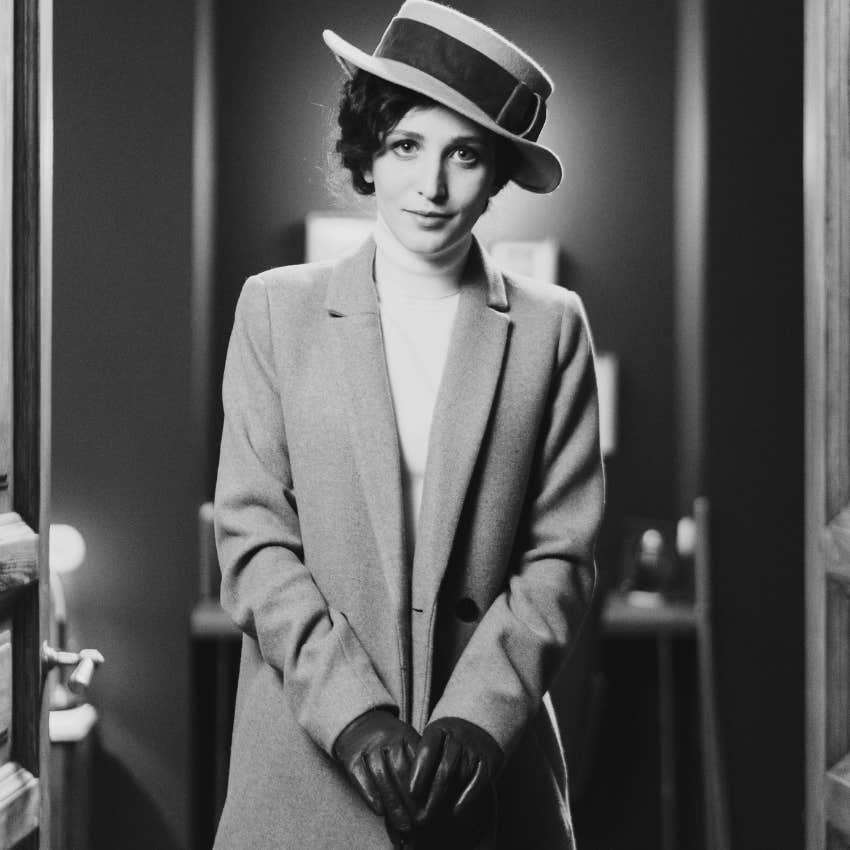 cottonbro studio / Pexels
This first piece of advice was perhaps the most radical. While many women today proudly choose to remain single, it was a far more extreme decision a hundred years ago, when many women were taught that their goal in life should be to find a husband.
The fact of the matter is — in 1918 and in 2026 — marriage benefits men more than it does women. The labor gap persists, and data show that having a husband results in 7 more hours of housework per week. Moreover, studies show that unmarried, childless women are the happiest demographic. This piece of advice encourages women to pursue their own dreams and aspirations, free from the societal pressure to find a man and settle down.
Advertisement
Of course, not everyone is willing to forgo marriage. So, if you must wed, the pamphlet suggested avoiding beauty men, flirts, bounders, tailor’s dummies, and football enthusiasts. Bounders referred to men who behaved immorally, especially in their relationships with women. In other words, avoid players and chronic bachelors — certainly sound advice today.
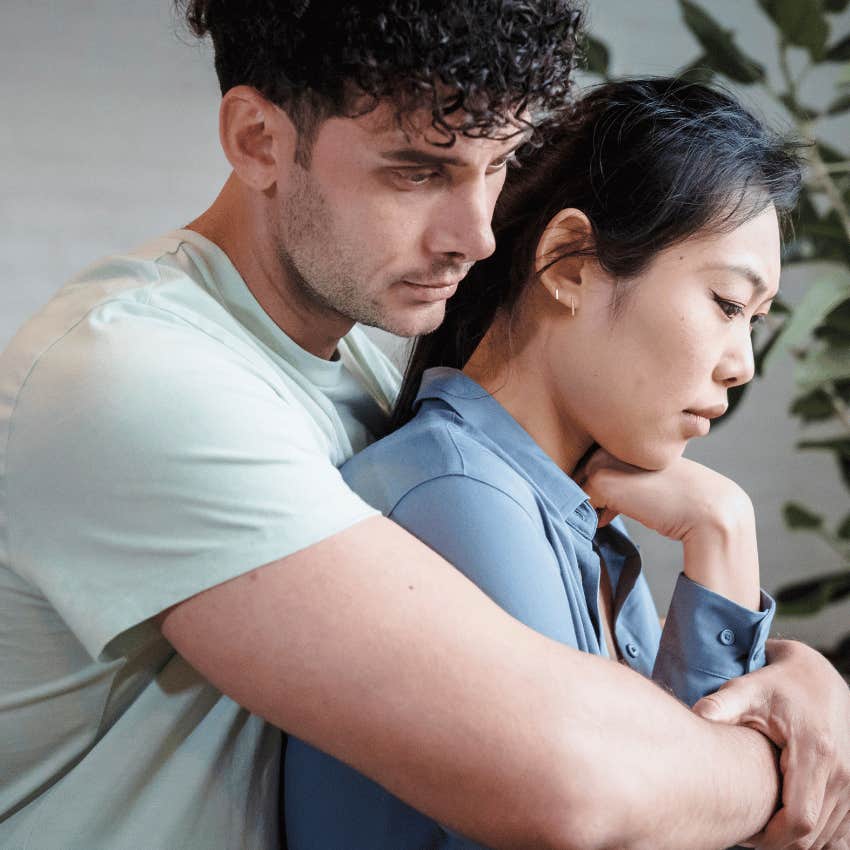 Timur Weber / Pexels
Advertisement
The pamphlet warned that most men are “lazy, selfish, thoughtless, lying, drunken, clumsy, heavy-footed, rough, unmanly brutes.” Ouch! That’s certainly a cynical take. Of course, not all men are so bad, but in the 19th and early 20th centuries, it was especially important for a woman to marry a genuinely good man, as women had very limited rights.
The National Women’s History Alliance pointed out that women could not yet vote, could not own property, and were forbidden from higher education and many professions. Wives were entirely dependent on their husbands, who could hurt them with impunity.
Today, according to the National Domestic Violence Hotline, over a third of American women have experienced rape, physical violence, and/or stalking by an intimate partner. Yet the Trump administration, and especially Vice President J.D. Vance, is pushing to end no-fault divorce. Even in 2025, marrying the wrong man can have detrimental consequences.
Advertisement
“The same remark applies to dogs,” the suffragette joked. In other words, the way to a man’s — and a dog’s — heart is through his stomach.
In Marjorie Swift’s 1925 book Feed the Brute, she wrote, “The well-fed man is a happy man — and a very easily ‘managed’ one too. And since we women know that to maintain harmony every man, however clever, however efficient, however charming, must be ‘managed’; let us feed him well first and manage him afterward.” Of course, it’s not a woman’s job to cook and clean for her husband. But that doesn’t mean there isn’t some validity to the power of a good meal.
Calling back to her first piece of marriage advice, the suffragette ended her pamphlet with a stark warning: “You will be wiser not to chance it; it isn’t worth the risk.”
In an era when women had fewer rights and opportunities, marriage often meant losing one’s autonomy. Today, this piece of advice serves as a friendly reminder to be cautious about what relationships we enter into.
Advertisement
Erika Ryan is a writer working on her bachelor’s degree in Journalism. She is based in Florida and covers relationships, psychology, self-help, and human interest topics.
Auto Amazon Links: No products found.
















)