

"Tulisa Unleashes the Truth: The Chav Label and Its Dark Side of Misogyny and Classism!"
Added on November 21, 2026 inFree CelebrityNews
Numerology Meets Netflix: Get Your Daily Dose of Cosmic Cinema Suggestions Powered By Our AI Astrologer. Find The Show Or Movie You Were Meant To See!
Then Join Our FREE Newsletter To Watch Your Choice Of Movies And Shows For FREE Plus Get The Latest Entertainment News And Updates!




As we navigate the stars, it’s intriguing to ponder—how does the cosmos shape our journey, even for those who’ve basked in the limelight like Tulisa Contostavlos? Once a household name on British television with The X Factor, Tulisa’s star shone brightly before dimming into the shadows of public scrutiny and controversy. After years of relative silence, she’s poised for a comeback that promises not just music but a raw look into her tumultuous past with the documentary Tulisa: The Reckoning. This film doesn’t just recount her rise and fall; it captures the emotional toll of media harassment, with Tulisa herself stating that it’s a fight against the very forces that misrepresented her. Now, at 38, she stands as a testament to resilience, aiming to redefine her narrative and shine anew. Curious about how her story unfolds along the lines of astrological and societal influences? LEARN MORE.
Having once been all over British TV with The X Factor and on the radio with hit songs, Tulisa Contostavlos has spent recent years largely out of the spotlight.
But with a stint on I’m A Celeb and new tours with N-Dubz, The Female Boss is returning to the screen with a new documentary.
Tulisa: The Reckoning charts not just her journey but the sting that saw her come crashing down as life ‘beat her to a pulp’.
The now 38-year-old was just in her early 20s when she judged on The X Factor – as Louis Walsh says she was ‘too young’ and became ‘public property’.
Tulisa was hounded by the press in the build-up to the sting and says ‘misogyny and classism’ played a part in setting the tone as she was completely misrepresented.
She tells LADbible that her ‘character and intentions’ are the most misunderstood things about her.
“I think maybe, well, I know ,the general public have been misled at times by the press,” Tulisa says. “I think it’s just the perception of me, of my intentions, who I am as a person – even down to, you know, just what I’m like, down to the things that I enjoy.”
Because not only does the new docuseries show her campaign for independent press regulation but it shows the real Tulisa, not the stereotype that has been cast on her.
“I think it was led in the press by like the big dogs at the top – the men, the misogynistic men that were leading the way on it and setting the tone and the narrative,” she continues.
“I think the people of positions of power that led it and allowed it to happen were misogynistic men.”
Looking at the way a narrative was placed on her, Tulisa adds: “I definitely feel like misogyny and classism were the two leading factors.
“And my confidence that go with it – I’m a woman, I’m from the hood, and ‘you’re that brave, you’re really owning your s—? No, not around here you won’t’.”
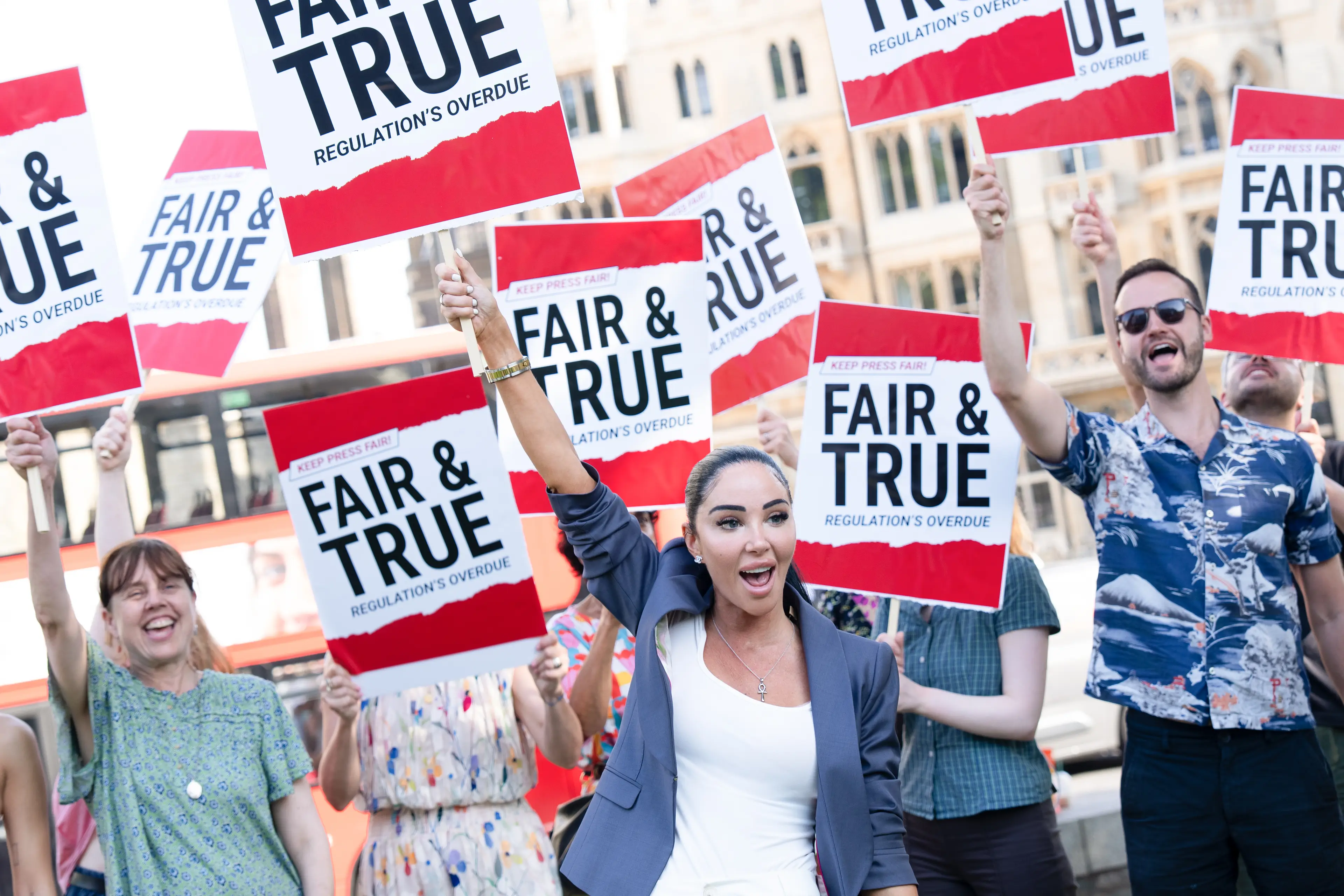
Tulisa is campaigning for independent press regulation. (Paramount)
Part of the image painted on to Tulisa in the lead-up to the sting was as a ‘chav’. While the singer says it’s both a cultural term and a derogatory phrase, it was used with ‘malicious intent’ against her.
“There’s ‘oh, you look like a chav in tracksuit today’, and ‘get back to the sewer’, right?” she explains.
But the star points out that when you watch the docuseries, ‘even if you were saying the word chav in jest’ there aren’t ‘loads of characteristics’ that relate to her.
“The irony of it, it’s all kind of laughable that this kind of narrative has been portrayed of me but actually the person that I am is a million miles away from it,” Tulisa says.
“I’m not saying that I’m a million miles away from my humble beginnings and the culture I came from, but the derogatory way that chav is used, I don’t think that has ever applied to me and my heart and my intentions and the kind of person that I am.”
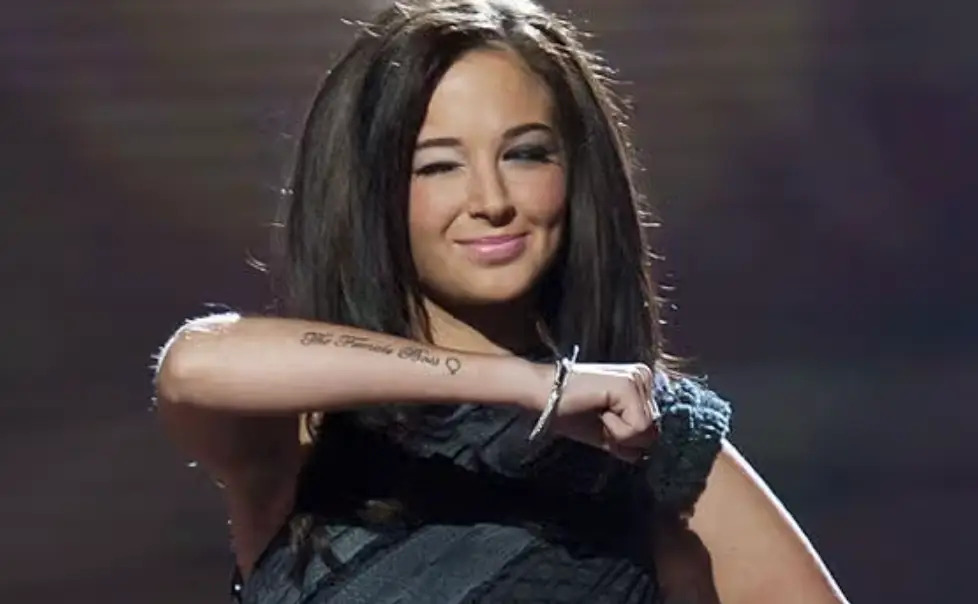
In the doc, Louis Walsh says the press made her ‘public property’. (ITV)
While the rise of Tulisa’s fame came with this ‘malicious’ approach from the press and the sting that took everything, she wouldn’t ‘take back a single thing’.
In 2013, Mazher Mahmood (known as the Fake Sheikh) posed as a Hollywood producer, luring in the singer with a movie role. However, it led to a sting that saw the front page of The Sun on Sunday allege she had arranged to sell him cocaine. Tulisa denied this but she was charged, with the trial later collapsing when it emerged that Mahmood had lied in pre-trial evidence.
But Tulisa still lost everything; her house, her job, all of the things she had worked so hard for. This has inspired her campaign for an independent press regulator with over 38,000 signatures for her petition, Fix the Press, at the time of writing.
“I quite literally believe everything has had to happen exactly the way it has for me to get to the place that I’m at now,” Tulisa says, “to be, what I see as, the greatest version of me.
“It might not be the things that other people understand or are expecting, or that are important to others – it’s not an outside validation thing. It’s being right within and feeling a certain way about the world and about myself, and that is my greatest achievement in life.”
This comes as the star says she’s ‘always suffered with depression’ but is now able ‘to fight the good fight’ and has ‘managed to transform something’ within herself that has been ‘so painful’.
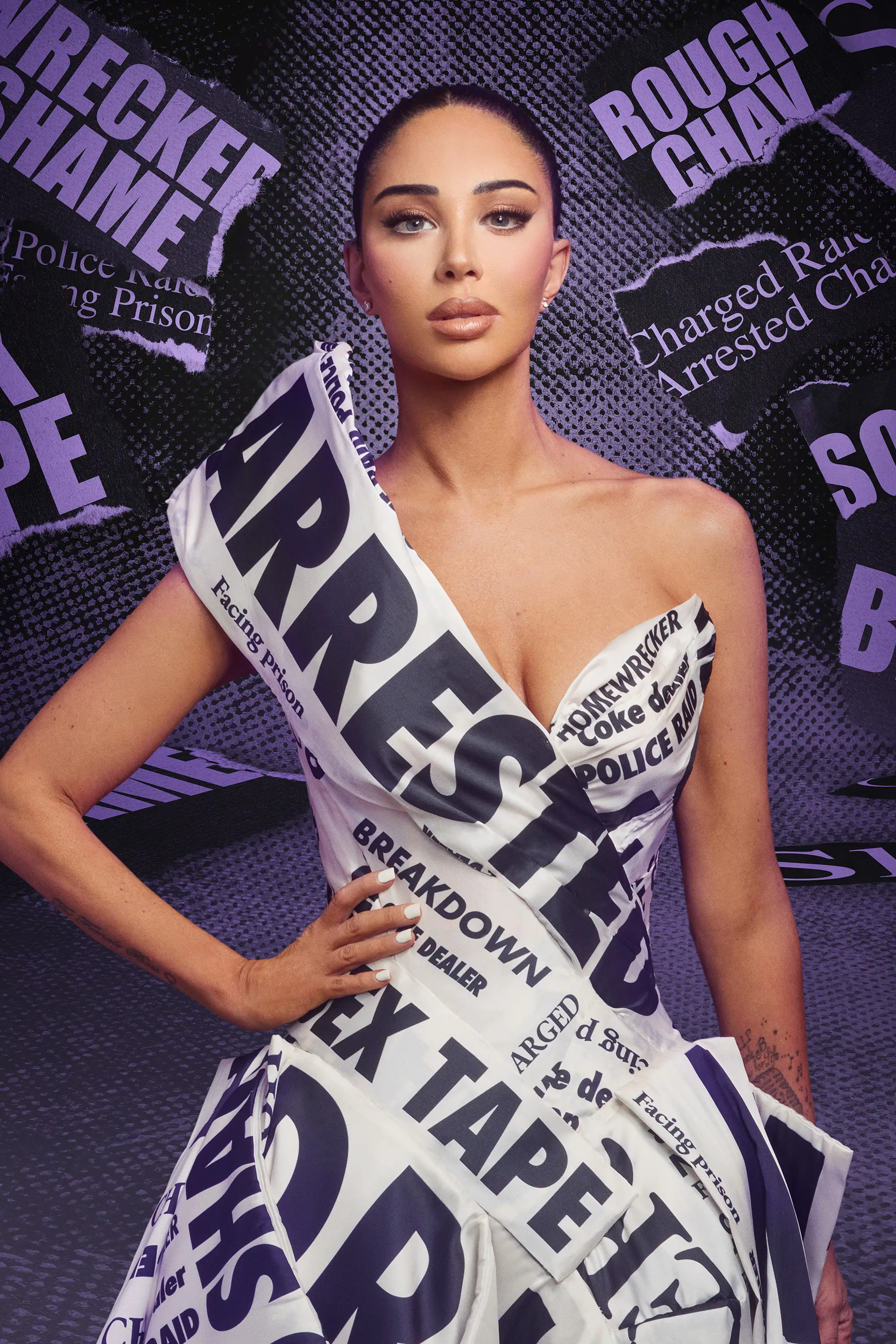
Now that’s The Female Boss. (Paramount)
“Life has done nothing but beat me to a pulp on top of what I was already feeling,” she says. “To get to this place where I can feel this much peace and happiness… if I’m honest, that is my greatest achievement to me in life.”
Tulisa hopes people watch the documentary as she shouts ‘as loud as I can’ to create ‘ripples that later lead to a wave’.
“I’m in this energy of no expectation,” she adds. “If I’ve created awareness that is enough and I will carry on fighting the good fight and doing whatever is in within my power to get independent press regulation implemented.
“But I’m also going to live my life and keep following my passions and whatever next feels authentic to me.”
Watch brand new docuseries Tulisa: The Reckoning on Paramount+ 26 November.
Auto Amazon Links: No products found.


















)