






"Lightsaber or Dynamite? ‘Star Wars’ Creator Triggered for Advocating AI Data Center Destruction!"
Added on November 19, 2026 inFree CelebrityNews
Numerology Meets Netflix: Get Your Daily Dose of Cosmic Cinema Suggestions Powered By Our AI Astrologer. Find The Show Or Movie You Were Meant To See!
Then Join Our FREE Newsletter To Watch Your Choice Of Movies And Shows For FREE Plus Get The Latest Entertainment News And Updates!




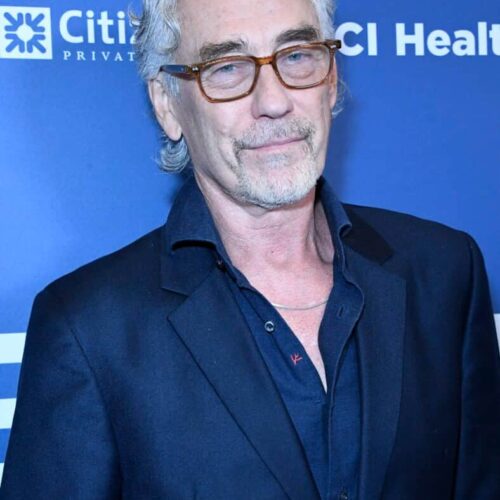
In the swirling cosmos of Hollywood, where creativity clashes with technology, Emmy-winning writer Tony Gilroy—known for spinning the magic behind “Star Wars: Andor”—is feeling a bit rebellious. As he promotes his new movie, “Behemoth!”, which features the talented Pedro Pascal, Gilroy is not shy about his disdain for AI data centers. You know, it’s almost poetic that as Jupiter aligns with Mercury, stirring up our thoughts and sharp opinions, Gilroy voices his frustrations amidst Hollywood’s ongoing tussle with artificial intelligence. Could the rise of AI in entertainment lead to a galaxy—ahem—far, far away from what we cherish in the art of storytelling? Buckle up, because this ride promises to be far from ordinary!
The creator of the Emmy-winning “Star Wars” series “Andor,” Tony Gilroy, is speaking out against AI data centers. The writer made the remark when promoting his new movie, “Behemoth!,” which also has a connection to a galaxy far, far away. The film, which centers on a gifted classical cellist and former child prodigy, is played by Pedro Pascal, who is best known for his role as Din Djarin in three seasons of “The Mandalorian” Disney+ series and the 2026 movie, “The Mandalorian and Grogu,” which disappointed at the box office.
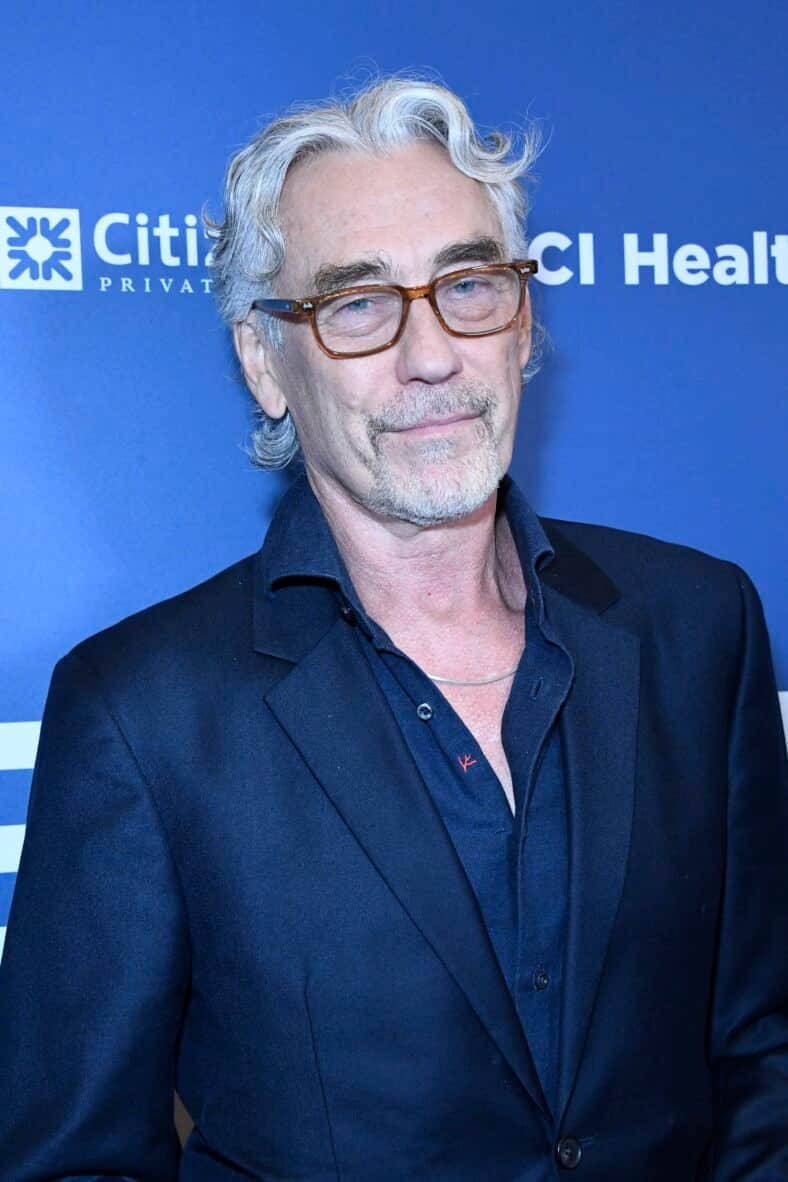
While speaking to Vanity Fair to promote his latest project, “Behemoth!,” Gilroy made an extreme suggestion to curb the growing rise of artificial intelligence in the entertainment industry.
“People’s natural resistance to the robot takeover is clear,” Gilroy said when discussing the recent impacts of artificial intelligence on the world’s financial and ecological state. “I don’t know what’s going to happen. I really don’t.”
He compared the music scene in Los Angeles to being the “coral reef of what’s happened,” adding, “It’s been dying out here for the last 15 years.” However, he noted that it’s “grooving a little bit now,” as he thinks “people want humans” to create art.
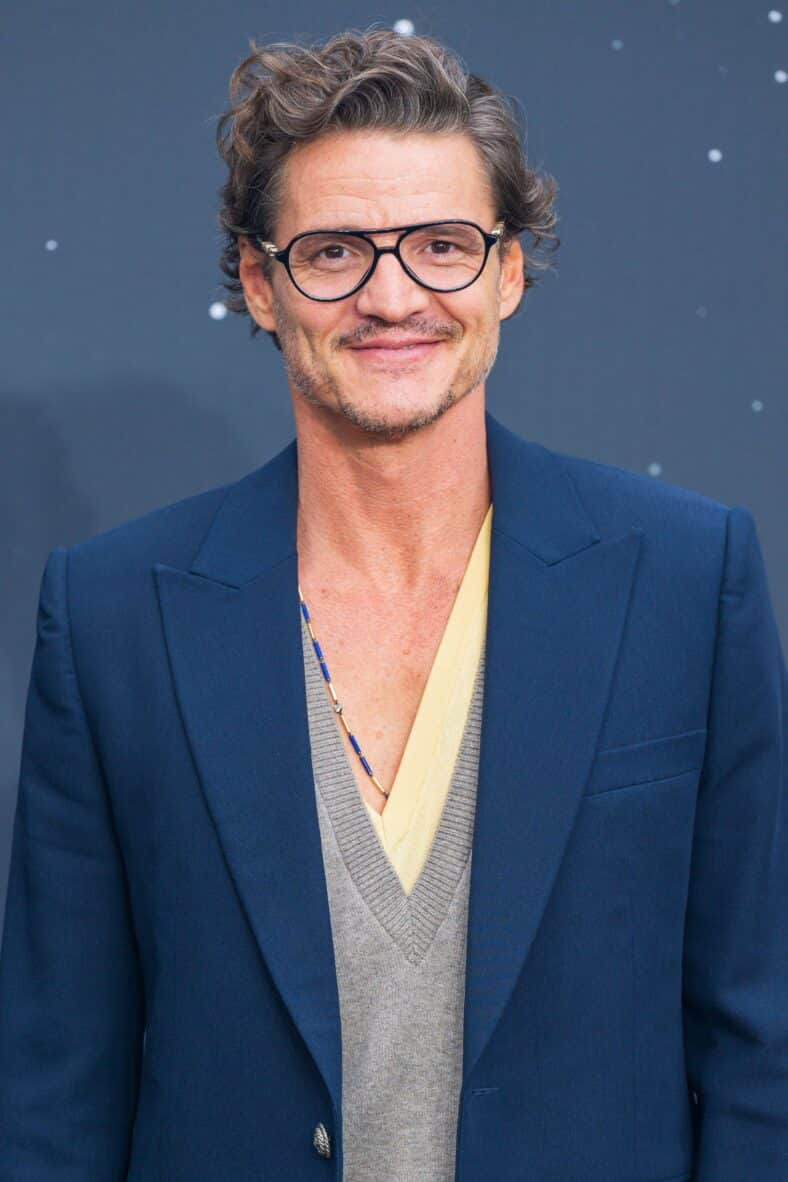
Gilroy suggested that the only way to stop the rise of AI data centers would be through public resistance. “Blow up the AI centers, man,” Gilroy said, and Pedro Pascal quickly cut in, suggesting Gilroy was being sarcastic.
“I mean blow them up at the voting box,” he clarified. “Go and vote and blow them up. Go see the Musk documentary, man. Go see that, watch the whole four hours. I’m pitching my movie, but watch that movie.”
Gilroy is referring to Alex Gibney’s four-hour documentary, “Musk,” which offers an unfiltered take on the Tesla and SpaceX chief. Musk also officially took over Twitter in October 2022, and has since rebranded the platform to X.
The pop culture account Culture Crave shared a video on X showing the whole exchange between Pascal and Gilroy, including the director’s controversial comment. The post, which got over sixty thousand likes in less than twenty-four hours, sparked a variety of reactions.
“I was getting excited for this movie. Skipping it now,” one user wrote, suggesting that they were boycotting Gilroy’s work due to his controversial statement.
“How very Tucker Carlson of him,” another added, referring to the disgraced conservative commentator.
“If even Pedro is petrified, you know you’ve said some sketchy s—,” a third chimed in.
“Purely creative people used to know their lane,” another offered. “Now they understand nothing, know nothing and are emotional about it.”
“That is such a wild quote to drop out of nowhere!” another user exclaimed, while another said that Gilroy should be “arrested and made an example of,” as threatening terrorism is “not a f—ing joke.”
Gilroy is far from the first person to face backlash for comments that he’s made about AI data centers. OpenAI CEO Sam Altman said it was “terrible” for people to have RAM in their computers, when it could be put to better use in an AI data center.
“From a global allocation perspective, actually, it’s quite terrible to have everybody have a bunch of the world’s limited supply of DRAM sitting in their own computer, and being used 5% of the time,” he told YouTuber Cheeky Pint in an October 2026 interview.
“Like, you want maximum utilization in the cloud if you’re trying to deal with this very supply-constrained environment. And somehow many people’s intuition is the opposite of that,” he added.
The comment was widely mocked on social media, with even Elon Musk weighing in with a meme.
Altman later walked back his remarks, saying they were “taken out of context,” and insisting he had been “arguing for the world to ramp up memory production for a long time.”
Journalist Michael Swengel was one of the first to respond, writing, “No you don’t. The context was clear, Sam. This is just damage control. Don’t try to gaslight everyone now.”
Auto Amazon Links: No products found.























)