





"Why This One Frustrating Habit Might Be the Secret to Spotting a Genius – and It’s Definitely Not What You Think!"
Added on May 12, 2026 inFREE ASTROLOGY
Numerology Meets Netflix: Get Your Daily Dose of Cosmic Cinema Suggestions Powered By Our AI Astrologer. Find The Show Or Movie You Were Meant To See!
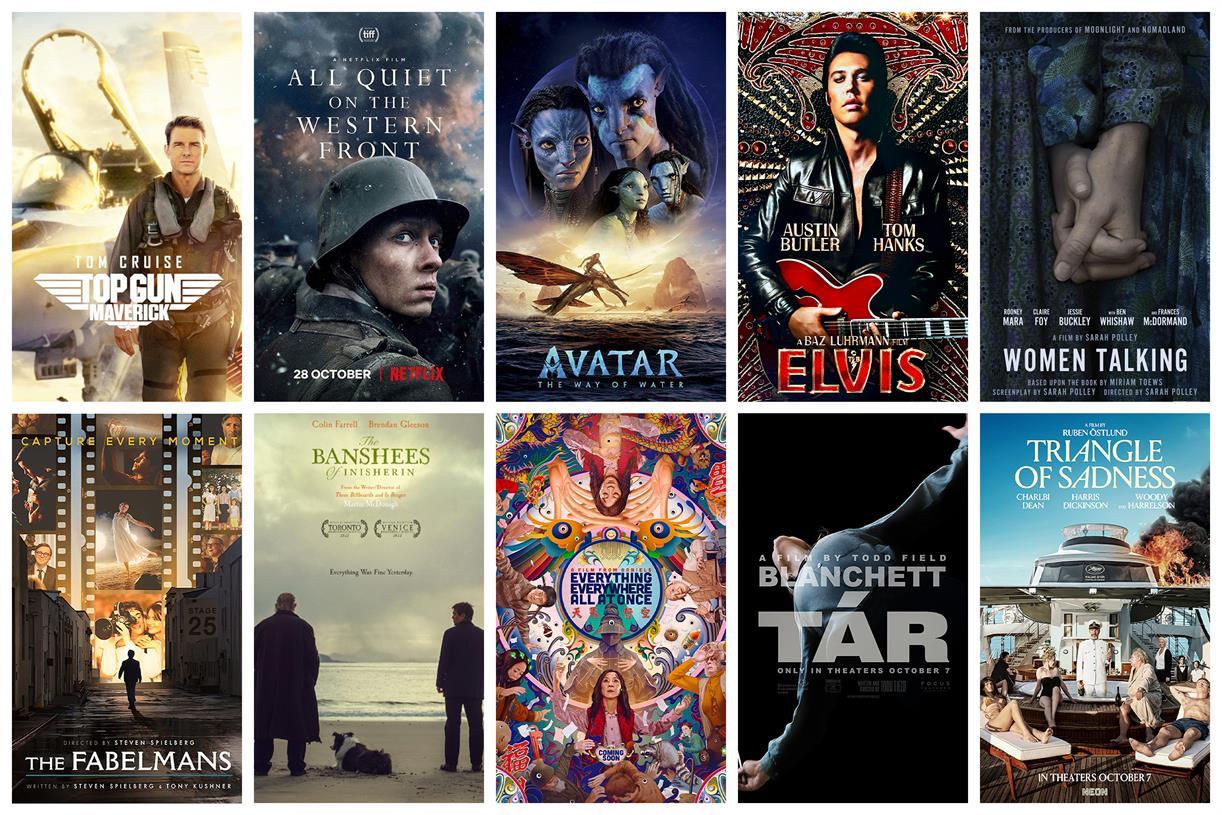
Then Join Our FREE Newsletter To Watch Your Choice Of Movies And Shows For FREE Plus Get The Latest Entertainment News And Updates!




In a world where information floods our lives like a relentless tide, how do we distinguish between the pearls of wisdom and the troubling trinkets of misinformation? It’s a cosmic conundrum, much like navigating a Mercury retrograde—testing our patience and adaptability. While some cling to long-held beliefs as if they were life preservers, the highly intelligent among us strike a balance, demonstrating growth and understanding as they embrace new knowledge. As today’s planetary alignments encourage introspection, let’s explore how our ability to change our minds could be the hallmark of true intelligence. Are you ready to dive into the mind-boggling journey of learning and unlearning? Buckle up—this one’s a cosmic ride! LEARN MORE.
People get things wrong all the time. You can usually tell someone’s highly intelligent by how they react to learning new information, which is often frustrating to average minds.
There’s a fine line between legitimate, trustworthy information and falsified, misinformation. As humans living in the digital age, we are constantly taking in and processing information. Whether it’s a status update from a loved one or the news on current affairs, we have an unprecedented amount of access to information about the world at all times. That doesn’t mean that we interpret it correctly or even understand what fact is and what is opinion.
Advertisement
That’s where high intelligence comes into play. Recent research found that the way people adapt to new information reveals a lot about their brain power.
The study, published in the journal Cognitive Research: Principles and Implications, found that it doesn’t matter, for misinformation purposes, whether a person can process information or even likes doing so. What matters is whether they can adapt to new information by replacing outdated misinformation with the correct information.
Advertisement
 Tima Miroshnichenko | Pexels
If that sounds confusing, think of it this way. Say you grew up your whole life thinking that if you swallowed gum, it would stay in your stomach for years and potentially cause health problems. We all know in reality that it was a white lie our parents told us so we wouldn’t swallow gum, but for example purposes, it works.
Say, in adulthood, you are talking to your doctor and mention that you swallowed gum and are worried about the repercussions. A highly intelligent person would absorb their doctor’s advice that gum doesn’t stay in the stomach indefinitely, maybe even do some outside research, determine that the information they grew up believing no longer applies, and adapt their thinking.
Advertisement
Now, intelligence is something that seems to spark competition among people. There are so many different types of intelligence, and everyone seems to disagree on which type is the most useful or impactful on the world. There are those who want to appear the smartest in the room and others who don’t feel the need to prove themselves and are quietly intelligent when the situation calls for it.
In any case, it appears that a fixed mindset is what can actually hold people back from reaching their full potential.
Most of us are very keen to hold fast to beliefs and ideas we’ve had all our lives. There’s comfort in having like-minded people share our ideals. It’s uncomfortable to turn away from those teachings and adopt new learning if it’s warranted.
Advertisement
Sure, in the example of swallowing gum, it’s easy to immediately change your mind because it makes sense, but when it comes to heavier topics that rock the foundation of what you’ve always believed, it’s a whole lot easier to push out the information that doesn’t exactly agree with the narrative you are comfortable with.
 Miljan Zivkovic | Shutterstock
It’s not intrinsic to be intelligent in this sense. We all make choices every day about whether we want to believe what we want to believe. There’s a reason some people believe the Earth is flat, even if science has most assuredly proved otherwise.
Advertisement
We have to actively choose to be open to new information. To believe in the uncomfortable process of adapting and finding ways to grow as humans so that we don’t feed into misinformation, and we can make being flexible with new, updated information the norm.
You can enjoy learning for learning’s sake, but ask yourself: can you legitimately replace information you’ve always known and held onto with updated information if it proves to be more honest or effective at solving a problem? Can you confidently adjust to the times and understand that things aren’t always what they seem?
 voronaman / Shutterstock
Advertisement
It’s not easy to adapt. And that’s okay. It doesn’t have to be easy. You do need to be willing, however. That willingness is an impressive skill to have, considering the sheer volume of information we’re forced to acknowledge every day we interact with the internet.
As a society, we need to start asking ourselves the above questions so that we can become better, well-rounded thinkers.
Luke Aliga is a writer with a degree in Technical Writing and Communication who covers relationships, culture, and human interest topics.
Auto Amazon Links: No products found.























)