




Colombian Model Lucé Lu Spills the Tea on Venezuela, U.S. Power Plays, and Why Accountability’s the Real Plot Twist You Didn’t See Coming
Added on January 9, 2026 inCelebrity News Cards




Numerology Meets Netflix: Get Your Daily Dose of Cosmic Cinema Suggestions Powered By Our AI Astrologer. Find The Show Or Movie You Were Meant To See!


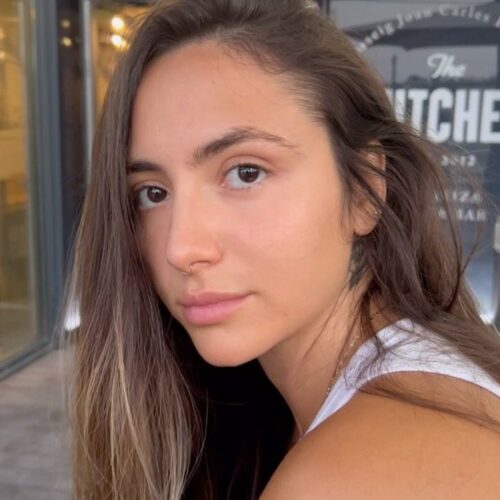
Ever wonder what happens when a Colombian model trades the runway for a history lesson on Venezuela — with a sprinkle of celestial insight, no less? Well, buckle up! Lucé Lu isn’t just Instagram-glam meets influencer vibes; she’s diving headfirst into the tangled mess that is Venezuela’s crisis. Picture this: while the stars dance in Capricorn’s realm of responsibility and serious business, Lucé’s honing in on the complexities that most U.S. political chatter conveniently forgets — yep, the messy, painful, real stuff beyond just slogans. She calls out the imperial echoes in every interventionist claim and reminds us that calling out a dictator like Nicolás Maduro doesn’t mean waving flags for foreign powers. It’s like astrology tells us — two truths can coexist (Mercury’s tricky like that) — and recognizing harsh realities doesn’t mean we stop questioning who really benefits. If you’re craving a fresh, no-nonsense perspective wrapped in intellect and authenticity, you’re in for a treat. Want to unravel this cosmic political tapestry yourself? LEARN MORE.
Colombian model and influencer Lucé Lu is adding her voice to the global conversation surrounding the crisis in Venezuela, offering a perspective rooted in history, sovereignty, and lived consequences rather than political slogans.
Article continues below advertisement
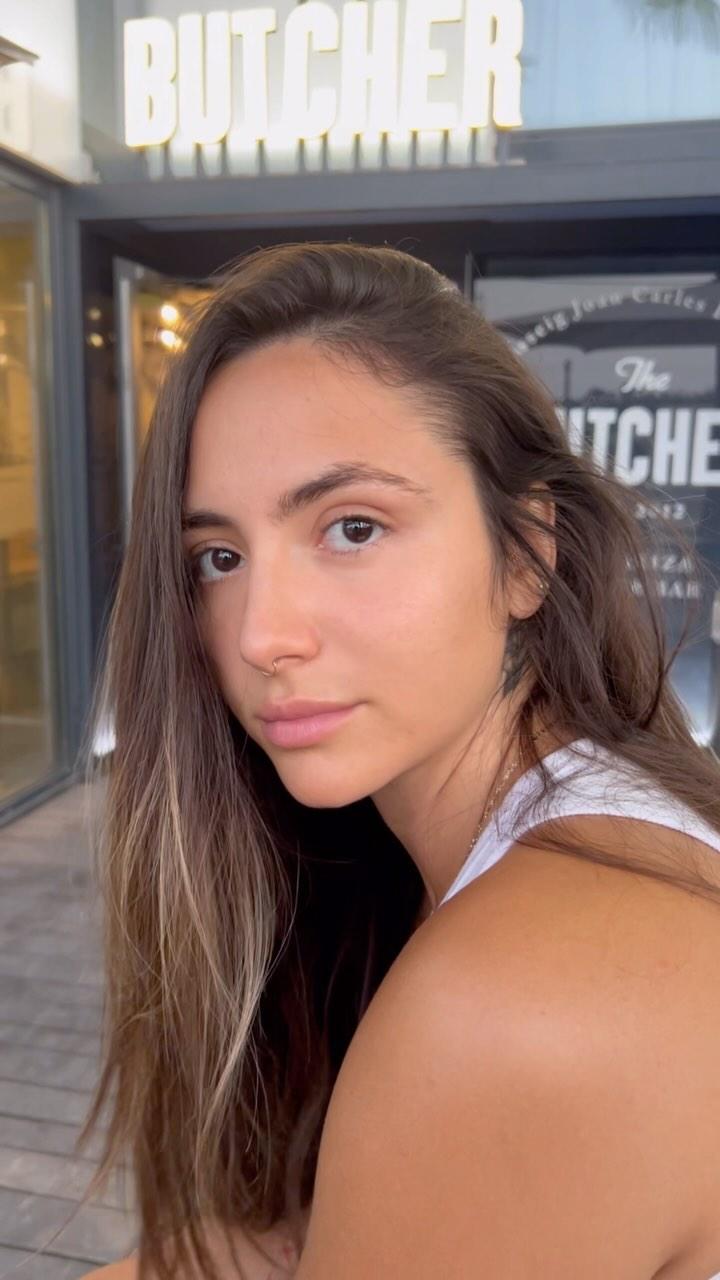
“What is happening in Venezuela is tragic, complex, and deeply painful for its people,” Lu said. But she also pointed to what she believes is missing from much of the U.S. political discourse. “Complexity is exactly what is missing from much of the U.S. political conversation surrounding it—especially when it comes to American intervention.”
Article continues below advertisement
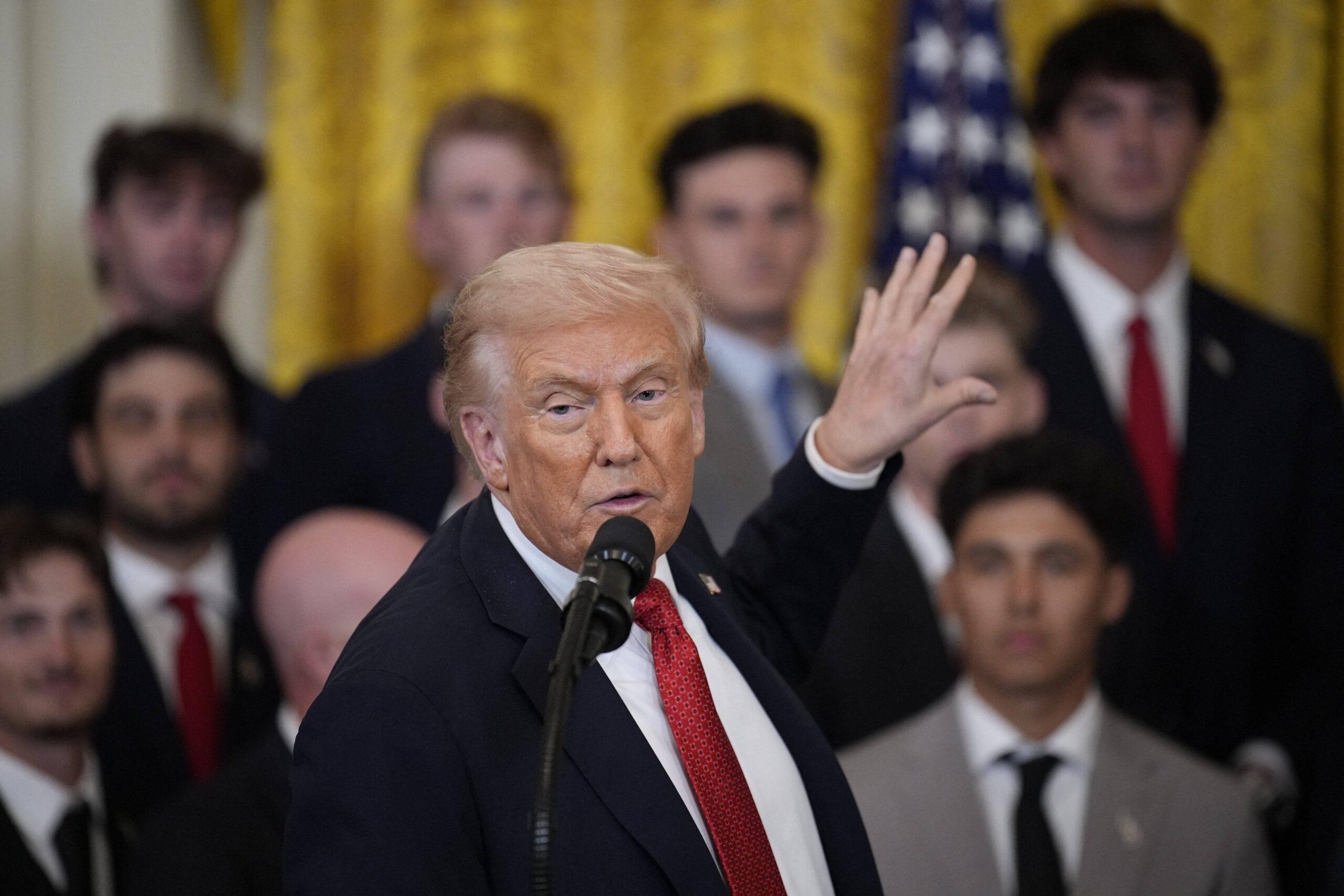
Lu was explicit about where she stands on U.S. leadership.
“I do not support what President Trump is doing in Venezuela,” she said, referencing Donald Trump. She emphasized that her position should not be misread as sympathy for authoritarian rule, explaining that it is instead “rooted in an understanding of history.”
Article continues below advertisement
“For much of its existence, the United States has acted as an imperial power, often under the language of ‘liberation,’ ‘democracy,’ or ‘taking down dictators,’” Lu stated.
She added that these justifications have repeatedly been used “to mask economic and geopolitical interests, particularly in regions rich in natural resources,” noting that Venezuela’s oil reserves make it no exception.
Article continues below advertisement

Lu did not shy away from condemning Venezuela’s leadership.
“Let’s be clear: Nicolàs Maduro is a corrupt dictator,” she said. “His government has contributed to immense suffering, economic collapse, and the erosion of democratic institutions.”
At the same time, she rejected the idea that acknowledging Maduro’s failures automatically legitimizes foreign intervention.
“Acknowledging this truth, however, does not grant the United States moral authority to intervene, destabilize, or attempt to seize influence over another nation’s resources.”
Article continues below advertisement
Lu underscored what she sees as a deliberately ignored reality in political debates.
“Two things can be true at the same time,” she said. “Maduro’s regime is authoritarian and harmful. U.S. intervention is not benevolent—and often makes conditions worse.”

Lu questioned the long-standing logic behind interventionist policy: “The idea that the United States has the right to interfere in another country’s sovereignty because it disapproves of its leadership is rooted in the same imperial logic that has devastated nations across Latin America, the Middle East, Africa, and Southeast Asia.”
According to Lu, “Regime change, sanctions, and economic pressure are not neutral tools; they disproportionately harm civilians while entrenching power among elites.”
Article continues below advertisement
“When the U.S. claims to act in the name of freedom, we must ask: freedom for whom?” Lu said. “History shows that the answer is rarely the people living under those regimes. More often, it is freedom for corporations, for access to oil, for strategic dominance.”
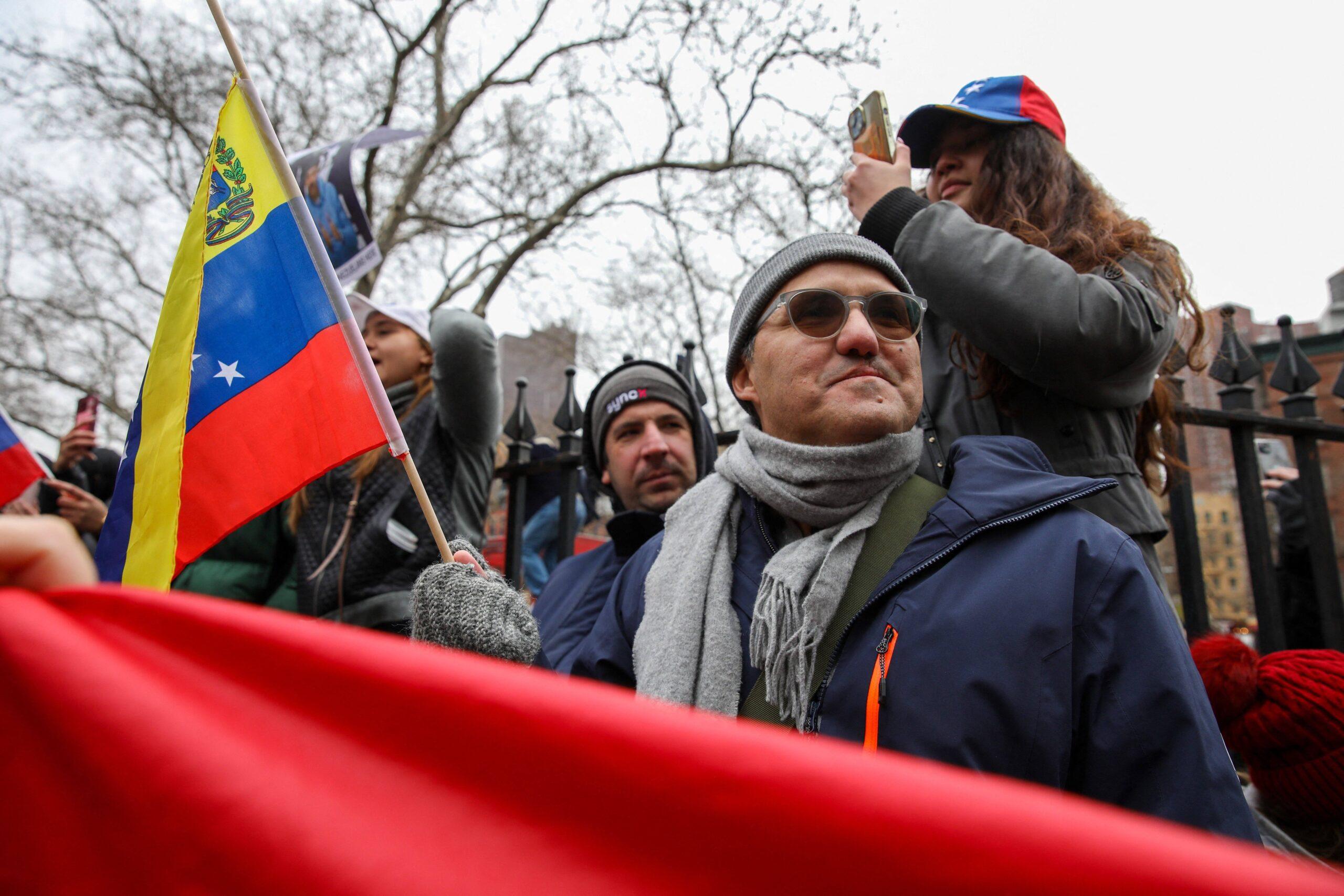
Lu concluded by stressing that real solidarity must respect national sovereignty: “Venezuela’s future should be determined by Venezuelans, not by Washington, not by foreign interests, and not by economic coercion disguised as humanitarian concern.”
She also noted, “Criticizing Maduro does not require endorsing Trump,” adding, “Condemning dictatorship does not require embracing imperialism.”
For Lu, meaningful concern for democracy and human rights demands honesty: “If we genuinely care about democracy and human rights, then we must be willing to confront uncomfortable truths, not only about leaders abroad, but about our own country’s long history of intervention and exploitation.”
Auto Amazon Links: No products found.










This will close in 0 seconds

This will close in 0 seconds









)