





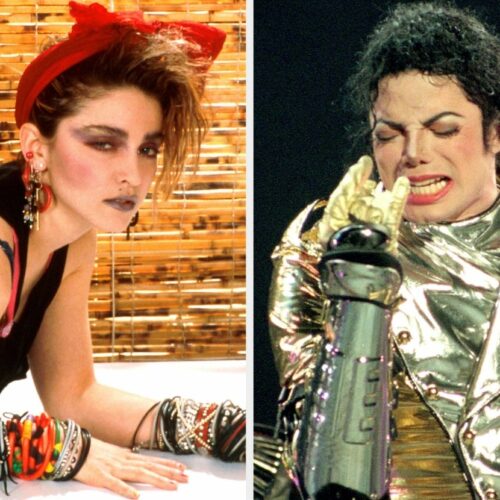

Earlier this year, a popular X account ended up getting flamed across social media when they earnestly posted the now-deleted tweet: “I think Taylor’s now bigger than MJ ever was and I think all she’s got left is The Beatles and that’s getting pretty close to” in reference to Taylor Swift and Michael Jackson.
In response, many were quick to point out that despite Taylor’s astronomical mainstream success, she is nowhere near the level of fame that was experienced by her industry counterparts from decades past. And this isn’t a dunk on Taylor. The truth is, nobody will ever reach the same peaks of global hysteria that those stars did — not because today’s artists aren’t talented or ambitious enough, but because celebrity culture itself has fundamentally changed. Let me explain.
Prior to the social media boom of 2004–2010, we lived in a very clear monoculture, creating a world where most people shared the same cultural experiences, especially when it came to the music they listened to and the TV shows and movies they watched. Generally speaking, everybody watched the same movies because they were the ones showing in theaters, and streaming simply didn’t exist. Everybody also watched the same TV shows because limited channels meant that viewership was less divided by choice.
And this concept extended to music, too; when artists like the Beatles, Michael Jackson, and Madonna were at their peak, their dominance over pop culture was total — and, frankly, unrepeatable.
You may be interested
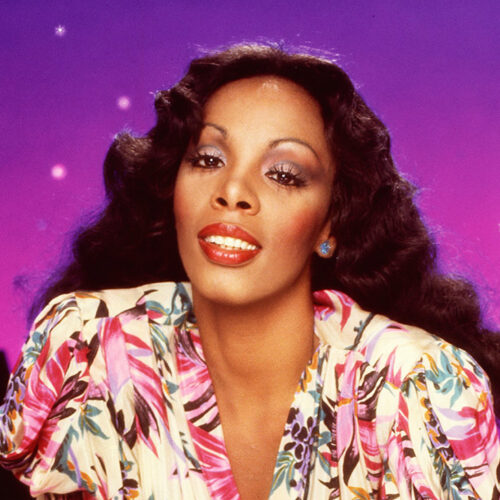
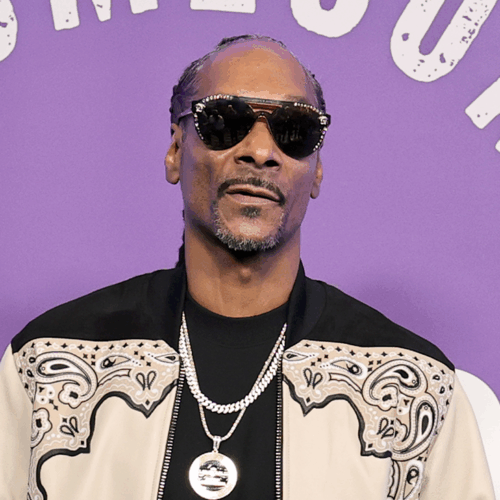
There were fewer entertainment options, so when a record dropped, everyone was listening; and when an artist appeared on television, everyone was watching. For example, the Beatles’ appearance on The Ed Sullivan Show in 1964 reached over 73 million viewers, and Michael Jackson’s Thriller wasn’t just a successful album; it was a global event that united people across countries, languages, and generations.
Meanwhile, Madonna’s image, music videos, and controversies set the tone for an entire decade of pop culture conversation because there simply wasn’t anybody else doing it like she did — at least not to mainstream culture’s knowledge.
Of course, this isn’t to say there wasn’t an alternative scene before the internet. People always found ways to find their little pockets of connection that fueled their own personal interests by going to indie cinemas to watch lesser-known films, going to local gigs to discover lesser-known musicians, and scouring record shops for music that they weren’t hearing on the radio. But the key difference was that you had to actively seek those spaces out, there was no algorithm curating your taste or delivering a playlist designed just for you.
And, most importantly, even if you were on the fringes of mainstream culture during this time, there was no real way of escaping the phenomenon of major artists. A less saturated market meant higher exposure for those who broke through — and that’s why figures like MJ, Madonna, and the Beatles were able to reach levels of fame that are impossible now. This kind of collective experience simply can’t happen in a post-social media era where everyone’s algorithm is serving them a different “mainstream,” and this is the crux of why the world feels so different in 2025.
Nowadays, celebrity is a saturated market. And that’s not necessarily a bad thing; in fact, it’s kind of amazing! Everyone now has the freedom to curate their own personal pop culture experience that they enjoy, and if you don’t want to engage with a particular artist, actor, or influencer, it’s really easy for them to simply not exist in your world. With so much content available at all times, it’s easier than ever to completely opt out of someone’s work and still feel like you’re tapped into the cultural conversation because individual subcultures are thriving and serving the community in ways that have never been reached before.
But, at the same time, this accessibility has completely redefined the meaning of fame. Where once there were a handful of artists and actors that everyone from your 80-year-old grandmother to your 6-year-old brother had heard of, there are now countless people who are considered famous and can have millions of followers but exist entirely outside of even the most pop-culture-savvy person’s radar. For example, just recently, I was left stunned to learn that a friend my own age genuinely had no idea that “Bad Blood” was about Katy Perry. A feud that felt like the defining pop culture moment of the 2010s to many simply doesn’t exist to others; that is how siloed we’ve become.
And this fragmentation extends far beyond music. In the so-called Golden Age of Hollywood, there were clear, universal household names — Elizabeth Taylor, Marilyn Monroe, Tom Cruise, Julia Roberts — figures who transcended their industry to become part of the collective conversation. Now, there are so many actors, creators, and personalities that who is considered “famous” to you depends entirely on your feed. The actor you think is an A-lister might be utterly unknown to someone whose algorithm revolves around gaming, politics, or lifestyle content.
Even the most prominent names aren’t immune to this; for example, you can be convinced that someone like Timothée Chalamet is the biggest actor in the world, but realistically, half the people in a grocery store probably wouldn’t be able to name him if you showed them a picture. This leads to another important point: algorithmic echo chambers. As a celebrity and pop culture journalist, I’ve spent years lurking on the edges of multiple fandoms, and one thing that consistently stands out to me is how pretty much every single fandom genuinely believes that their fave is way more famous, or mainstream, than they actually are.
This is because within those online spaces, it feels like the entire world revolves around that person — but that’s only because your algorithm makes it look that way, feeding you content that fuels this misconception while shielding you from content that suggests otherwise. And that’s really the baseline of how someone like Taylor Swift differs from artists like Michael Jackson. Taylor is undeniably huge — commercially, critically, and culturally — but the landscape she dominates is inherently fragmented. Outside of her fandom, there are millions of people who simply aren’t aware of her every move, not because she isn’t relevant, but because they live inside an entirely different algorithm.
We’ve moved from a monoculture to a world where everyone lives inside their own echo chamber of preferences and validation. Your reality online is not the same as real life; it’s a reflection of what you already believe and enjoy, served back to you by an algorithm designed to keep you there.
This echo-chamber effect doesn’t just apply to pop culture, either; it’s trickling into politics, too. When you’re never exposed to opposing ideas or ideologies, you lose touch with what’s actually happening in the real-world landscape. People end up blindsided by perspectives they didn’t even realize existed, and the more we live inside these insulated bubbles, the more self-centered and individualistic collective humanity becomes — because everyone is so consumed by their own curated version of reality.
And that’s the key difference between then and now: We used to share a collective cultural experience, but today, we all live in personalized realities. This is why there will never be another Michael Jackson, Madonna, or Beatles; fame itself has been democratized. The spotlight that once shone on a select few now shines everywhere, refracted into a million smaller beams of attention.
In the past, being a celebrity meant being a shared experience; now, it means being a tailored one. That shift doesn’t make modern fame lesser, just different. We no longer worship at the altar of a few cultural gods; we scroll through an infinite feed of them. And in doing so, we’ve traded the hysteria of the monoculture for the intimacy of the algorithm.





















)