





11 Secret Home Clues That Scream “I’m Breaking Inside” — And No, It’s Not Just Bad Feng Shui
Added on January 10, 2026 inASTROLOGY CARDS




Numerology Meets Netflix: Get Your Daily Dose of Cosmic Cinema Suggestions Powered By Our AI Astrologer. Find The Show Or Movie You Were Meant To See!



Ever walked into someone’s place and thought, “Hmm, why does this feel… off?” Maybe it’s not just the decor—or the fact that Mercury’s in retrograde again wreaking havoc on our vibes. Turns out, those little everyday details—from stacked comfort movies to piles of unopened mail—aren’t just quirks; they’re whispers of someone’s inner emotional storm. Life’s chaos can sneak in through unopened bills or a dark room with zero sunlight, silently shouting that a person might be struggling more than they let on. It’s crazy how our homes reflect our mental state, like astrology for the soul, revealing signs before words ever do. Ready to decode these subtle clues that hint at emotional battles? Let’s dive in. LEARN MORE
Creating sustainable change, protecting your emotional well-being, and setting yourself up for success all rely on healthy habits and personalized routines, as a study from the American Journal of Lifestyle Medicine explains. From cleaning routines to hygiene, and even decorating a living space, these are the things that actually make a difference in our general well-being. That’s part of the reason why small details and mundane habits can also often be “red flags” for how someone’s feeling internally.
Even if it’s clutter or unopened mail, if you notice these details in someone’s home, they’re probably struggling emotionally. They might seem like unimportant things to someone who feels happy and emotionally regulated, but they’re more influential and telling to someone with a lot going on inside.
 Krakenimages.com | Shutterstock
Rewatching the same movies and TV shows over and over, coined our “comfort shows,” is often a means of seeking control and instant safety when we’re feeling emotionally overwhelmed. That’s why it’s common for people struggling with chronic stress or depression to lean on comfort shows on a regular basis — they know what to expect and can unwind without considering uncertainty.
So, if you notice these details, like stacks of the same movies on their TV stand, in someone’s home, they’re probably struggling emotionally.
Advertisement
 Gorgev | Shutterstock
Even if it’s stigmatized and talked about less than other symptoms, a loss of hygiene routines and practices is often common in people struggling with depression. They struggle to even get out of bed in the morning, so of course other seemingly simple daily tasks like showering or brushing their teeth feel impossible.
If you notice someone’s bathroom is lacking basic toiletries, or they’re not keeping up with their own hygiene, they’re probably struggling emotionally but haven’t called attention to it.
Advertisement
 fizkes | Shutterstock
There are people who don’t like to open their mail out of convenience, and there are people who struggle to open it because of inner turmoil, anxiety, or unresolved trauma. Even if it feels like a simple habit in your own routine, if there are stacks of unopened mail and bills in someone else’s home, it could be a sign that they’re struggling emotionally.
From financial struggles to a general avoidance of keeping up with daily tasks, if someone is stuck in “fight or flight” mode because of internal chaos, chances are that small daily habits like this feel entirely impossible.
Advertisement
 KinoMasterskaya | Shutterstock
A study from Nutrients found that people who consume more processed foods are more likely to experience depressive and anxiety-ridden symptoms in their daily routines. On top of missing out on the mindfulness and de-stressing moments of actually cooking food for themselves, these people miss out on the nutrients and energy that come from eating healthy and intentional foods.
Whether it’s a lack of motivation or a loss of executive functioning that comes from depressive symptoms, if you notice someone has too many convenient foods or processed items in their home, and clearly isn’t cooking for themselves, they’re likely struggling emotionally.
Advertisement
 Daniel Hoz | Shutterstock
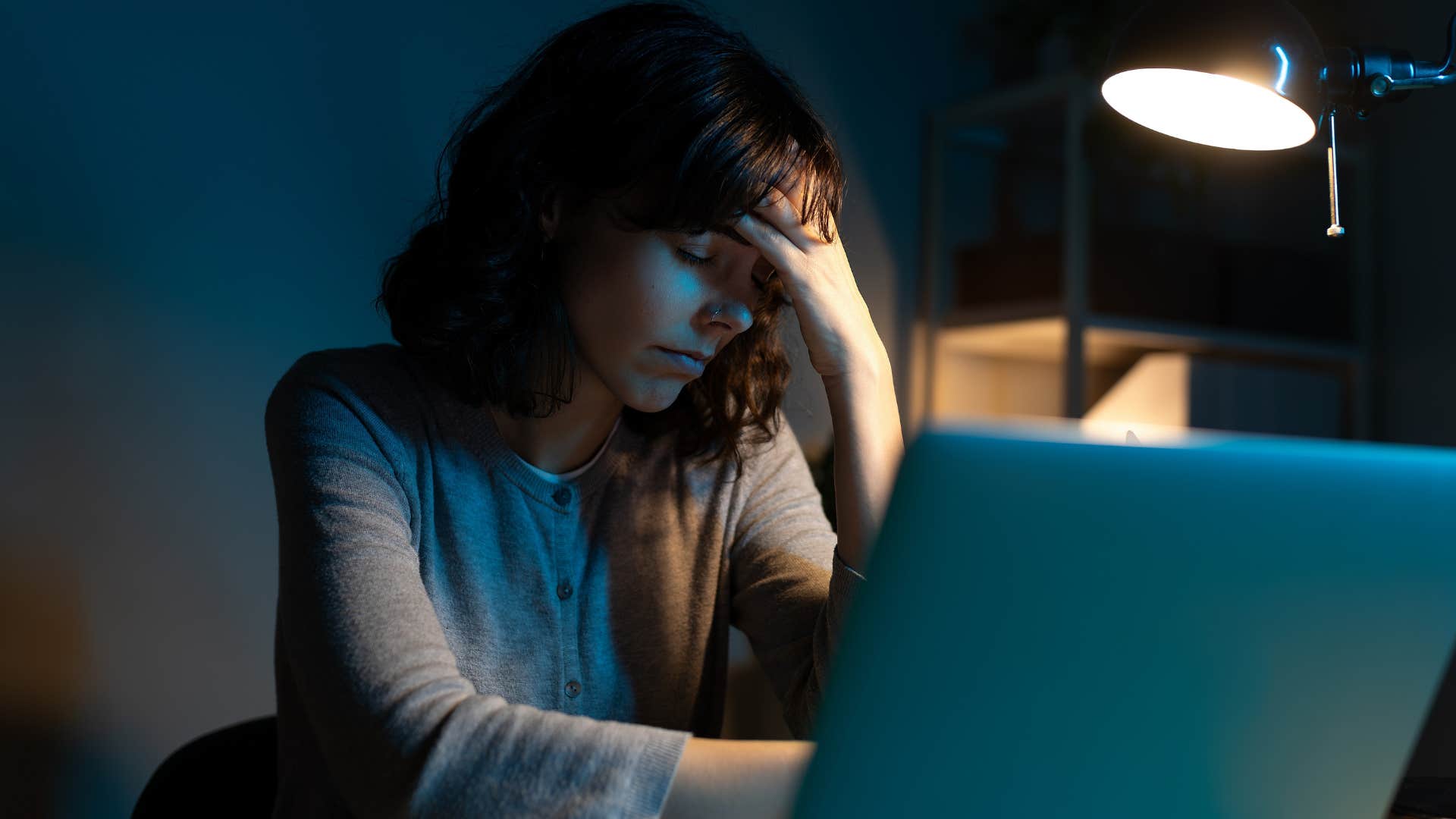
There’s a ton of research that reminds us of the effects of light on our general well-being. From living in darkness to missing out on natural light, and even having too bright lights inside a living space, mental health is largely affected by how our space looks and feels.
So, if you walk into someone’s home and it’s too dark, without the welcoming flair of ambient lighting, there’s a chance someone is struggling with depression or isolation. On the other hand, if the lighting is too bright, they may be sabotaging their stress levels with added anxiety and strain.
Advertisement
 Studio Romantic | Shutterstock
Our living spaces should have an element of our own personal aesthetics and interests. They should feel like our safe places to land, whether we need rest, support, or energy.
However, if someone’s living space feels bare and numb, with a lack of personality that matches their vibe, it can quickly sabotage their energy in that space. It transforms into a place for only sleep and basic routines — a place built out of necessity and survival, rather than rest and comfort.
Advertisement
 Krakenimages.com | Shutterstock
According to a study from the American Journal of Lifestyle Medicine, people with poor routines and a lack of structure in their lives generally report higher levels of anxiety and internal strain. They don’t have healthy habits to lean on when things get chaotic, and their mental health isn’t supported by the inevitable routines that boost their mood and connect them with support.
So, whether it’s a lack of healthy food choices in their home or a cluttered space that sabotages restfulness, if you notice small details that remind you a person is lacking routines, they’re probably struggling emotionally.
Advertisement
 KinoMasterskaya | Shutterstock
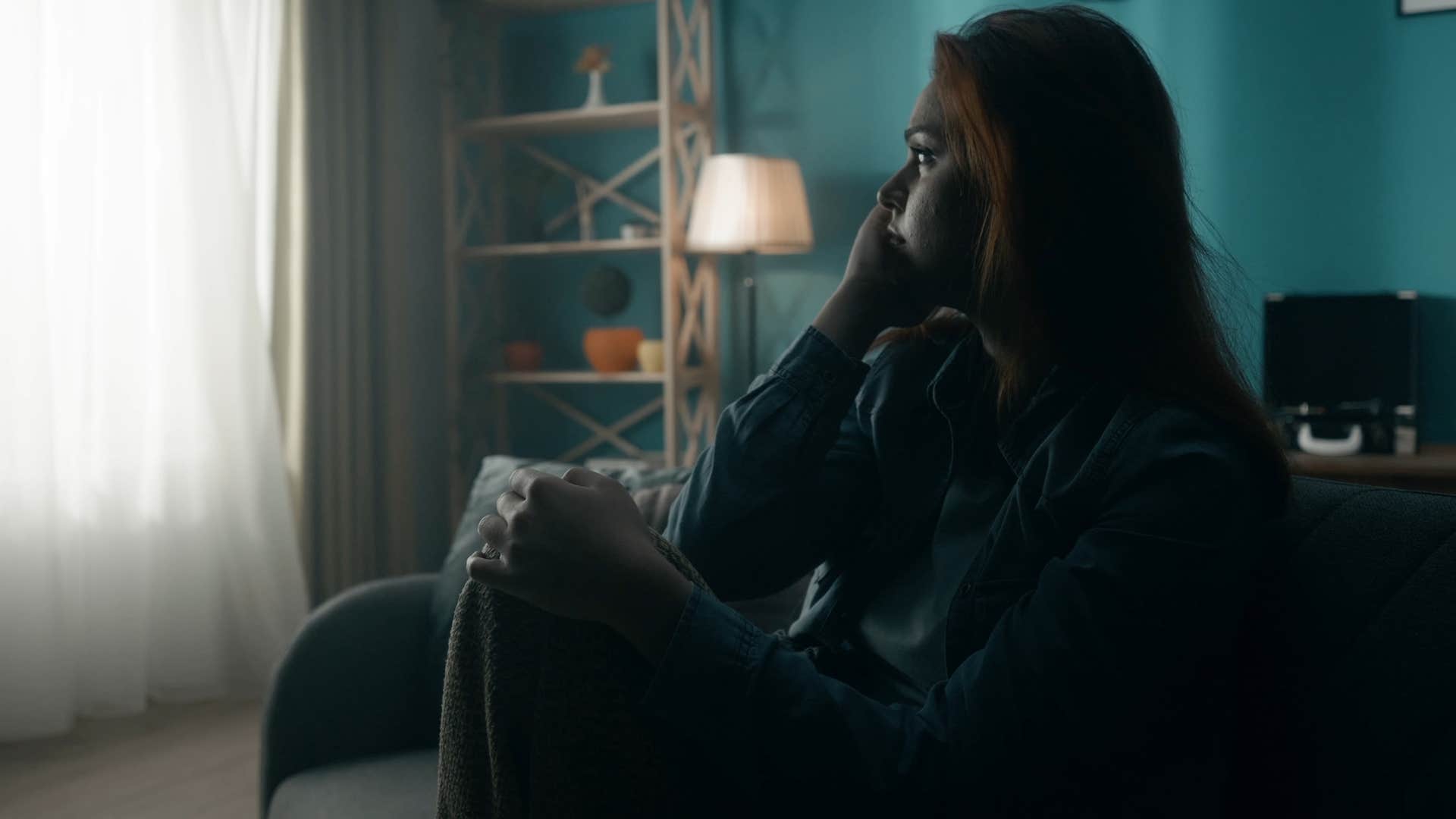
According to a study from the Journal of Affective Disorders, being in natural light can improve mood and well-being immediately. Whether it’s natural light flooding in from the windows of a person’s home or sunlight on their skin stepping outside for a quick walk, it’s powerful.
However, missing out on that natural light and spending too much time in a dark space inside can also be powerful in the opposite way. So, if you notice someone is always staying inside, keeping their blinds closed all the time, and finding comfort in the darkness of a room, they’re struggling more than you realize.
Advertisement
 PRPicturesProduction | Shutterstock
Cluttered homes can quickly become an issue — negatively chipping away at your mental health and stress levels, sometimes without even noticing it in the moment. That’s why cleaning routines and de-cluttering schedules are so fundamental to overall well-being, even if they’re annoying or time-consuming to keep up with.
Especially considering less motivation is common amongst people dealing with a ton of emotional chaos and stress internally, if you notice details of build-up clutter and dust in someone’s home, they’re having emotional struggles they aren’t talking about.
Advertisement
 StoryTime Studio | Shutterstock
Making your bed every day can immediately boost your mood, releasing dopamine that crafts it as a regular habit amid your chaotic routine. So, not only are you boosting your mood and creating some kind of order for you to return to, you’re solidifying better habits with a very low-effort practice.
However, if someone is overlooking it for a few more minutes of rest, to prioritize immediate comfort, or to cope with emotional fatigue, they’re setting themselves up for more chaos.
Advertisement
 Dean Drobot | Shutterstock
According to a study from The Gerontologist, many people, especially later in life, tolerate and misguidedly cope with loneliness or isolation by relying on their television. They use mindless entertainment as a distraction and leave their TV on for constant background noise to feel less alone, even if it only adds more clutter and information to their overloaded brains.
So, if you notice these details in someone’s home, they’re probably struggling emotionally, even if they’re not being open about it yet. Sometimes, people who are dealing with chronic stress and emotional chaos don’t even have the space to reflect on and acknowledge it, so these habits seem like the “norm,” even though they’re really meant to help them cope.
Zayda Slabbekoorn is a senior editorial strategist with a bachelor’s degree in social relations & policy and gender studies who focuses on psychology, relationships, self-help, and human interest stories.
Advertisement
Auto Amazon Links: No products found.













This will close in 0 seconds

This will close in 0 seconds











)